 Skip to content

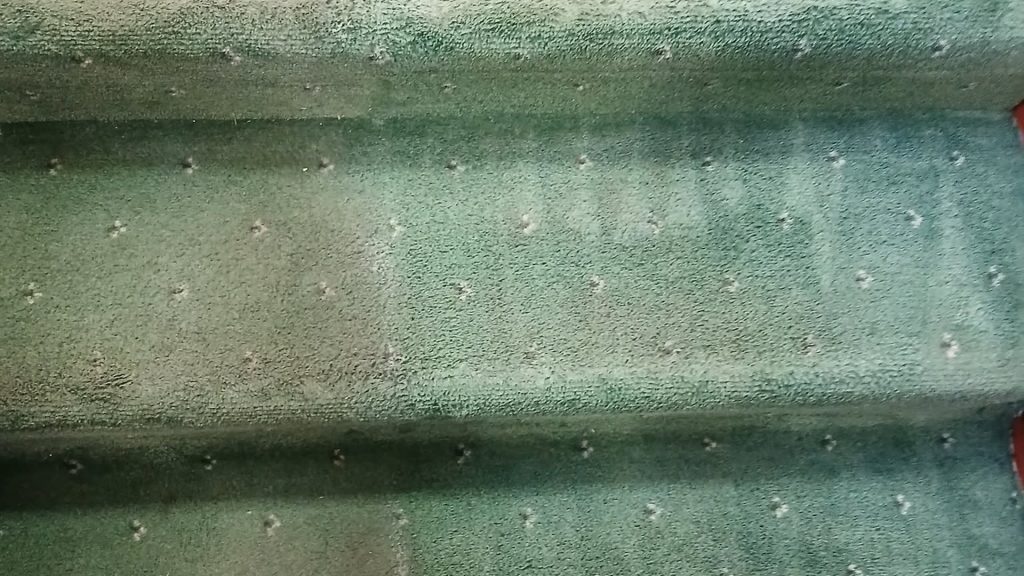
Carpet beetles are small beetles that can enter a home from outdoors, but it is their hairy larvae, not the adult beetles, that damage carpets and other natural-fibre textiles. To get rid of them, confirm what you’ve found, vacuum thoroughly, clean or treat affected items and areas appropriately, and remove the source of food or nesting material.
Finding larvae can be unsettling, but a calm, thorough approach is usually the best place to start. Here’s how to check what’s going on and what to do next.
What are carpet beetles and how do you spot them?
Adult carpet beetles are small, rounded beetles, often with mottled brown, cream or grey markings. You may spot one on a windowsill, particularly in spring or summer. The larvae are longer, bristly and brownish, sometimes described as woolly bears. Look for them in quiet, dark places, along carpet edges, under furniture, in wardrobes and around skirting boards. Shed larval skins, fine debris and small holes in natural-fibre items can also be clues.
Carpet beetle larvae can be confused with other household pests. Clothes moth larvae are usually pale caterpillars and may leave silky webbing or cases on fabrics. Carpet beetle larvae are bristly and don’t make those silken trails. Bed bugs are different again: they are flatter, oval insects that feed on blood, rather than hairy larvae that damage textiles. If you’re uncertain, take a clear photo or save a specimen in a sealed container to help with identification.
For more identification detail, see the Natural History Museum’s carpet beetle guide.
Where do carpet beetles come from and why is my Pembrokeshire home getting them?
Carpet beetles can fly in through open doors and windows, or arrive with flowers, second-hand items or infested textiles. Their larvae may also be living on a food source you haven’t noticed yet. That could be pet hair, lint, dead insects or an old bird’s nest in a loft or eaves.
Pembrokeshire homes have their own places worth checking. In stone cottages, holiday lets and caravans, look in quiet corners, under rarely moved furniture and around stored rugs or wool furnishings. Coastal humidity doesn’t create carpet beetles by itself, but damp or poorly ventilated rooms can make textiles harder to keep fresh. Open fires aren’t a cause either, though hearth areas and nearby furniture can collect dust, hair and debris.
If you have a loft, check for old nests and signs of bird, hedgehog or rodent activity. These can provide food for larvae. Don’t disturb an active bird’s nest; if you find a nest that may still be in use, get suitable advice before removing it.
What damage do carpet beetles actually do?
Carpet beetle larvae feed on animal-based fibres and materials such as wool, silk, leather, feathers, hair and pet fur. They can also eat the lint, dead insects and hair that gather around those materials. Damage often appears along carpet edges, under furniture or in other dark, undisturbed spots, not necessarily in the middle of a room.
Some people find the larvae’s tiny hairs irritating to their skin or notice an allergic-type reaction. That doesn’t mean everyone will be affected, but it’s sensible to avoid handling larvae or shed skins with bare hands and to clean up dust carefully.
How to get rid of carpet beetles: step by step
-
Confirm the ID. Check that you’re dealing with carpet beetles rather than clothes moths or another pest. Look for bristly larvae, shed skins and damage to natural fibres.
-
Vacuum everywhere carefully. Use the crevice tool along carpet edges and skirting boards, under furniture, inside wardrobes and around floor gaps. Don’t just vacuum the open middle of the room: larvae can remain hidden where a quick clean won’t reach. Empty the vacuum outside, or seal and dispose of the contents promptly.
-
Clean affected textiles. Wash or dry-clean affected clothes, blankets and other textiles according to their care labels. Use a hot wash or hot drying only if the item allows it; heat can damage delicate fibres. For valuable or fragile textiles, ask a specialist before treating them.
-
Treat affected areas appropriately. If using an insecticide, choose a product specifically labelled for carpet beetles and follow its instructions exactly. Keep children and pets away for the time stated on the label. If the infestation is widespread, keeps returning or you’re unsure where to treat, contact a trained professional.
-
Remove the food source. Check for old nests, dead insects in the loft, pet hair, lint and stored wool offcuts. Remove suitable sources safely, taking care not to disturb active nests or wildlife.
-
Bag badly damaged items. If an item can’t be cleaned or is beyond saving, seal it in a bag before disposing of it. This helps prevent larvae or debris spreading through the house.
The British Pest Control Association’s carpet beetle advice also recommends careful cleaning and attention to hidden areas.

What actually works, and what doesn’t?
A quick pass with the hoover often isn’t enough. Larvae can stay under furniture, along edges and in dark corners, so a light clean may leave them and their food source behind. Go slowly, use the crevice tool and repeat regular vacuuming while you monitor the area.
Lavender and cedar may make storage smell pleasant, but don’t rely on them to eliminate an infestation. They are not a substitute for finding and removing larvae and their food source. Mothballs aren’t a good all-purpose fix either; only use pest products that are suitable and labelled for the job.
DIY foggers can be used incorrectly and may not reach the places larvae are hiding. Don’t mix products or apply insecticide more widely than the label allows. If you’re unsure, ask a qualified professional rather than guessing.
When should I call a professional?
Get help if you find larvae in several rooms, the problem returns after cleaning, or a large wool rug or fitted carpet is affected. It’s also worth seeking advice if anyone in the household is concerned about irritation, if you manage a holiday let or caravan, or if valuable or delicate textiles need attention. And if you’d simply rather have an experienced person assess the problem and explain the next steps, that’s a fair reason to call.
Pembrokeshire Carpet Cleaners is a family-run, Pembrokeshire-based business with more than eight years’ experience and hundreds of jobs completed. Paul is trained in Pesticide Control, as well as advanced stain removal and upholstery cleaning. We also carry Public Liability insurance and Treatment Risk insurance. In plain English, that means our cover includes treatment-related damage, as well as public liability. A reassuring extra that’s not common in this trade. We use products described as safe for children and pets, and can explain any treatment precautions for your home.

We help homeowners and property managers in Pembroke, Pembroke Dock, Haverfordwest, Milford Haven, Tenby, Saundersfoot, Narberth, Fishguard, Kilgetty, Newport and across Pembrokeshire. Find out more about our textile and home cleaning services.
How can I stop carpet beetles coming back?
Vacuum regularly, including edges and beneath furniture, and keep stored wool items clean and sealed in bags or containers. Check lofts and eaves for signs of nests or dead insects, and seal gaps where practical. Keep rooms properly ventilated and dry, and look over second-hand rugs or textiles before bringing them inside.
A professional clean every 12–18 months can help remove built-up soil, dust and hair from carpets and rugs. Our carpet cleaning service uses speed driers to help carpets dry faster after cleaning.
Carpet beetle FAQs
How do I know if I have carpet beetles or moths?
Carpet beetle larvae are bristly and may leave shed skins; clothes moth larvae are pale and can leave webbing or silken cases. Check the damaged textile and nearby edges carefully, or ask a professional to help identify what you’ve found.
Do carpet beetles bite humans?
Carpet beetles don’t bite people. Some people may find the larvae’s hairs irritating, so avoid handling them and clean affected areas carefully.
How long does carpet beetle treatment take?
It depends on the size of the affected area, the source and the treatment needed. Thorough cleaning and removing the source are important, and follow-up checks may be needed. A professional can explain the likely steps after assessing the situation.
Can I stay in the house during treatment?
That depends on the product and how it is applied. Follow the product label and any instructions from your technician about re-entry, ventilation and keeping children and pets away.
If you’re worried about carpet beetles or would like help with a deep clean, contact Pembrokeshire Carpet Cleaners for a free, no-obligation quote. Call 07824 536685 or 01646 824016, or use our contact form. We also provide upholstery cleaning, rug cleaning and advanced spot and stain removal if the beetles have left marks behind.